How Do You Spot a Risky HOA Before Buying a Home in the Wood River Valley?
Check the HOA's reserve fund funding percentage, ask directly about pending special assessments or litigation, and read recent board meeting minutes before you get attached to a listing. In Idaho, that homework falls more on the buyer than in many other states: unlike places with mandatory resale disclosure packets, Idaho law doesn't require a seller to hand over a full HOA financial and legal history automatically, so you need to request it and build it into your purchase contract.
By Stevenson Real Estate Group | August 24, 2026
A growing share of homes in the Wood River Valley, from Elkhorn's golf and resort communities to condos in Ketchum and townhomes in Hailey, come with an HOA attached. Most of the time that's a good thing: shared maintenance, plowed roads, a managed amenity or two. But an HOA is also a shared financial obligation, and a recent Wall Street Journal piece on spotting HOA risk before buying got us thinking about how that advice applies here specifically, where the rules are a little different than in a lot of the places our buyers are relocating from.
1. Check the Reserve Fund's Health, Not Just the Monthly Due
The HOA fee itself tells you almost nothing about risk. What matters is how well-funded the association's reserve account is relative to what it will eventually need to spend.
As a rough guide:
- A reserve fund that's 70% funded or better is a reasonably healthy sign.
- Below 50% funded is worth a closer look.
- Below 30% funded is a real warning sign — it often means a special assessment is coming.
Ask for the HOA's most recent reserve study. It should list every major shared component (roofs, roads, ponds, pools, clubhouse systems, plowing equipment) along with its remaining useful life. One item that's already past due for replacement is worth a question. Three or more is worth pausing on.
2. Ask About Special Assessments and Pending Litigation
A special assessment is what happens when an HOA doesn't have enough in reserves to cover an unexpected cost, and has to bill homeowners directly to make up the gap. It's the single most common way an HOA turns from a minor monthly expense into a five-figure surprise.
This valley has already seen how litigation risk connects to that math. Elkhorn's master association spent years working through a dispute with a group of homeowners over a plan to restore Twin Creek's ponds to a natural waterway. When the association was ultimately facing an appeal that could have cost $50,000 to $100,000 or more to defend, the board had to weigh whether to deplete reserves, raise dues, or drop the project entirely — and it dropped the project. That's a real example of exactly the kind of financial exposure a reserve study alone won't show you: legal risk sitting on an HOA's balance sheet.
Before you write an offer, ask directly:
- Is the HOA currently in, or threatened with, any litigation?
- Have there been any special assessments in the past five years, and is one being discussed now?
- What's the delinquency rate — how many owners are behind on dues? A high delinquency rate can strain an association's finances even without a lawsuit or a big repair on the horizon.
3. Read the Board Meeting Minutes Before You Read the Marketing Materials
Marketing materials tell you about the amenities. Board meeting minutes tell you about the association's actual health. A pattern of contentious meetings, frequent board turnover, or repeatedly deferred maintenance decisions is a governance red flag that's easy to miss if you only look at the budget.
Most associations will provide recent minutes on request, and it's a reasonable thing to ask for as part of your due diligence, right alongside the reserve study and financial statements. If a board can't produce basic records without a runaround, that's useful information on its own.
4. Know Idaho Doesn't Hand You a Disclosure Packet — You Have to Ask For One
This is the part that catches a lot of our out-of-state buyers off guard, especially anyone coming from California or Colorado, where sellers are required to hand over a detailed HOA resale disclosure packet as a matter of course. Idaho doesn't work that way.
Idaho's Homeowner's Association Act (Idaho Code Section 55-3201 et seq., first consolidated into law in 2022) does require associations to keep records, hold open meetings, and provide financial disclosures on request. But the one specific document Idaho law guarantees a homeowner can request, the statement of account under Idaho Code Section 55-3205, only covers dollars owed. It doesn't include reserve fund status, pending litigation, insurance coverage, or the condition of shared components, and the request has to come from the member (the seller), not the buyer directly.
In practice, that means:
- You should ask your agent to request full HOA documents, financials, reserve study, and recent minutes as part of your offer, and build a contingency into the contract that lets you review and back out based on what you find.
- Don't assume "no news is good news." In a state without a mandatory disclosure packet, silence usually means nobody has asked the question yet, not that there's nothing to find.
A Few Wood River Valley Specifics Worth Knowing
HOA structures vary a fair amount across this valley. Elkhorn's golf and resort communities run through a master association with sub-associations underneath it; we've written before about what Elkhorn's HOA fees actually cover, which is a useful starting point if you're evaluating a specific property there. Condo ownership in Ketchum, which we covered in our guide to choosing a lock-and-leave condo, comes with its own association structure and often a different reserve profile than a single-family HOA neighborhood. If you're relocating from out of state, our post on making the move from California to the Wood River Valley touches on a few other things that work differently here.
Frequently Asked Questions
What is a healthy HOA reserve fund percentage?
Most guidance treats a reserve fund funded at 70% or more of its target as healthy, below 50% as worth a closer look, and below 30% as a real warning sign that a special assessment may be coming. Ask for the association's most recent reserve study rather than relying on the fee amount alone.
Does Idaho require sellers to provide HOA disclosure documents?
Not the way many other states do. Idaho has no mandatory HOA resale disclosure packet. The one document Idaho law guarantees on request, the statement of account under Idaho Code Section 55-3205, covers only money owed, not reserves, litigation, insurance, or the condition of shared components, and the request must come from the seller, not the buyer. Buyers need to request full HOA documentation directly and build a review contingency into their offer.
What's the difference between a special assessment and a regular HOA fee increase?
A regular fee increase is a planned, incremental change to ongoing dues. A special assessment is a one-time (or occasionally recurring) bill triggered by an unexpected cost the reserve fund can't cover, and it can run into the thousands of dollars per homeowner with little advance notice.
How can I find out if an HOA is being sued or in a dispute?
Ask directly, and ask for recent board meeting minutes, which often reference disputes, legal costs, or contested decisions well before they become public news. Elkhorn's multi-year dispute over the Twin Creek ponds, which ultimately factored into the board's decision about whether to pursue the project at all, is a local example of exactly this kind of risk.
Which Wood River Valley communities have HOAs I should know about?
Elkhorn's golf and resort communities operate under a master association with sub-associations. Many condo buildings in Ketchum and townhome communities in Hailey and Mid Valley also carry their own HOAs, each with a different fee structure and reserve profile. The right questions to ask vary somewhat by community, so it's worth reviewing the specific association's documents rather than assuming one valley-wide standard.
If you're looking at a property with an HOA attached anywhere in the valley, we're glad to help you get the right documents in hand and know what questions to ask before you're under contract. Reach out anytime.
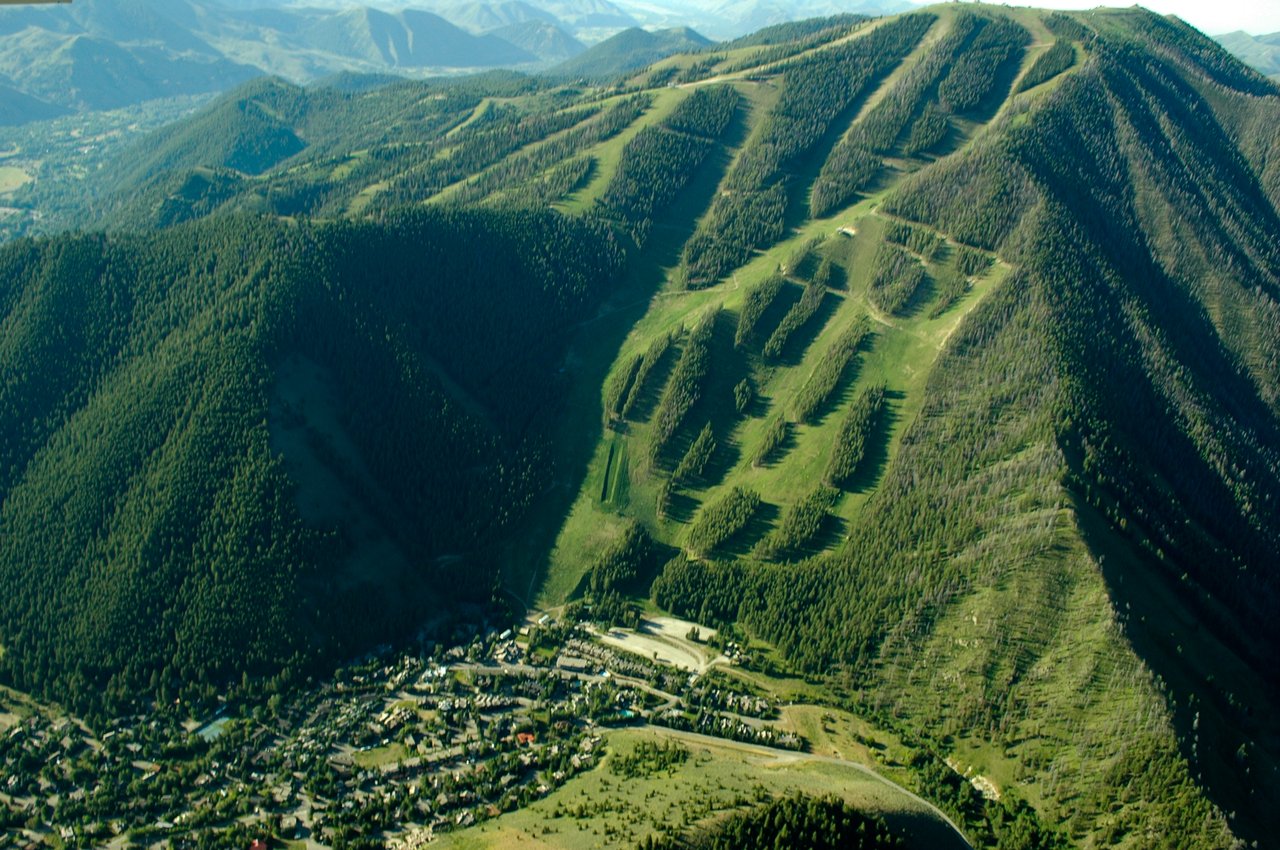
Image: Sun Valley website
About Stevenson Real Estate Group
The Stevenson Group has decades of experience in Sun Valley, and use that historical knowledge to help long-time and new clients achieve their real estate goals. Selling everything from remote mountain lodges in the Sawtooths to luxury estates on the Big Wood River to starter homes in the South Valley, Gayle, Matt and team consistently get the job done like few other agents or teams in the market.