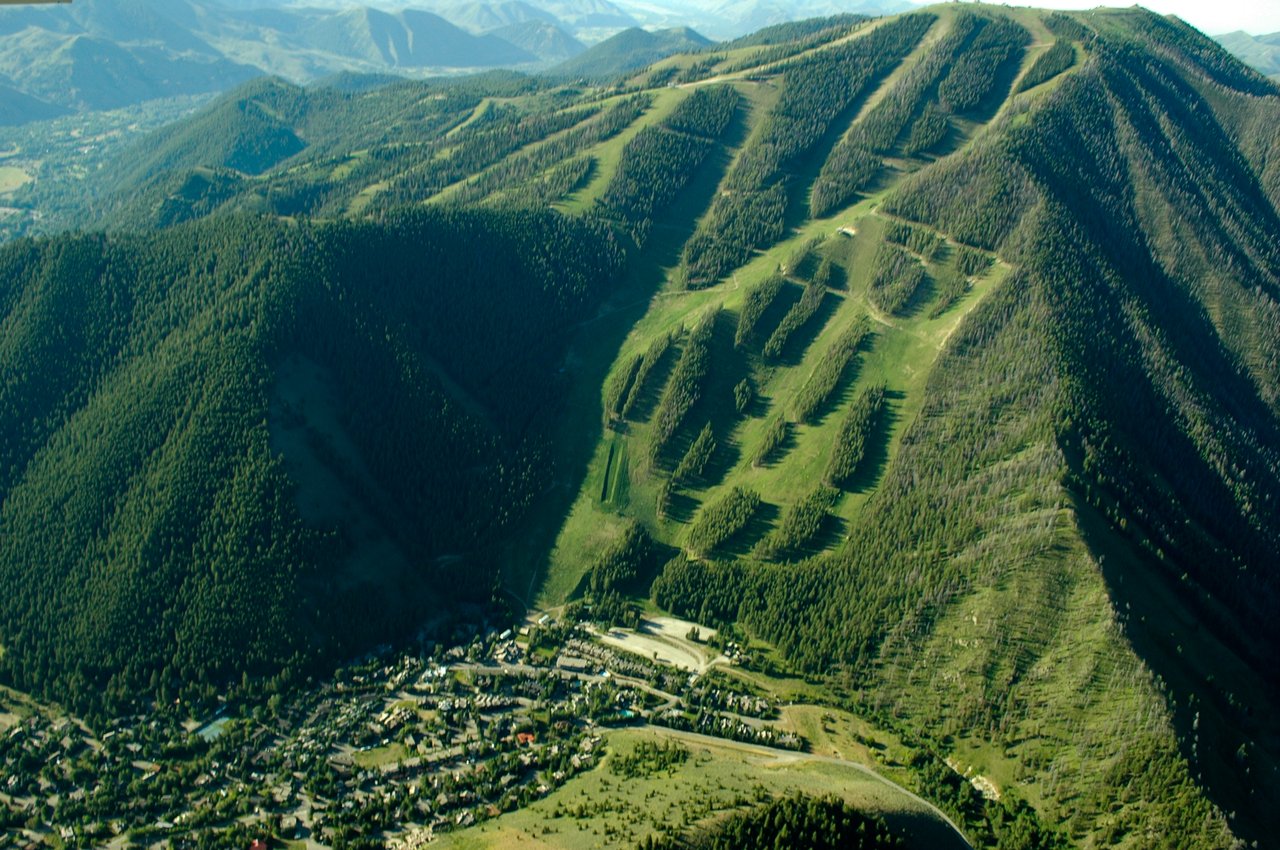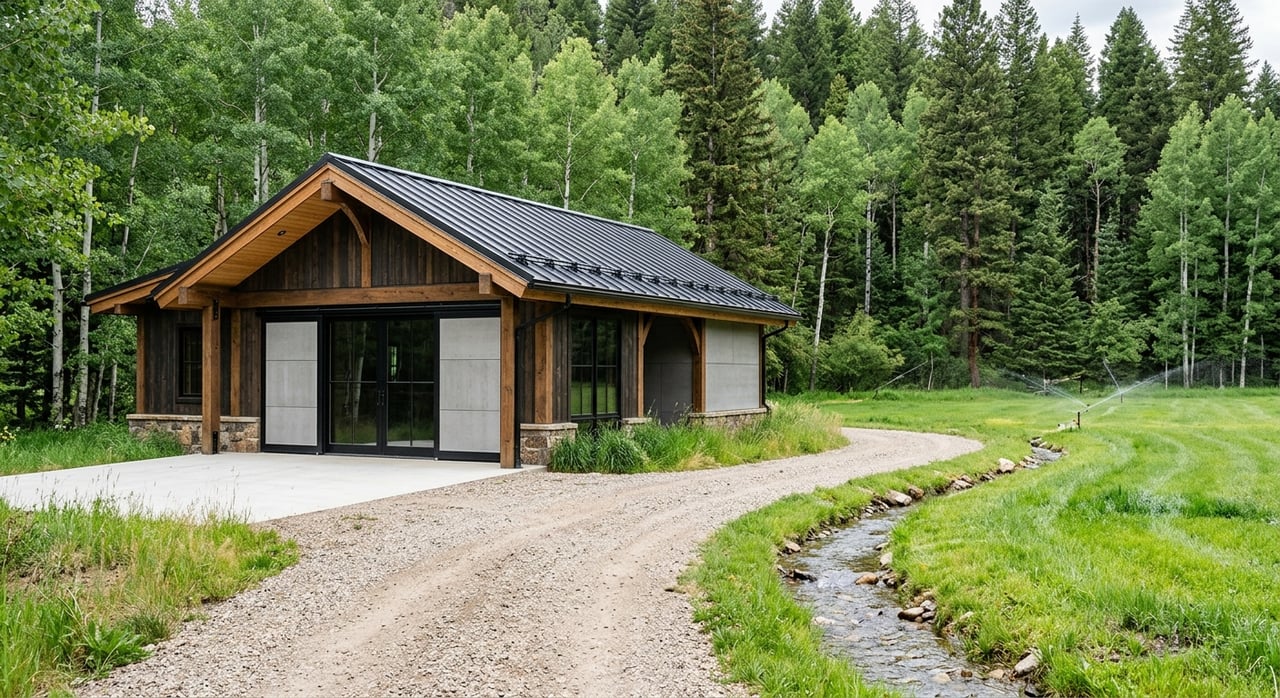
If you are searching for space, privacy, and room for horses in the Wood River Valley, South Valley often rises to the top of the list. Around Bellevue, acreage properties offer a different kind of ownership experience, one shaped by rural land-use rules, irrigation systems, and practical site planning as much as views and square footage. Understanding those details can help you spot the difference between a property that simply looks large and one that truly works for your goals. Let’s dive in.
Why South Valley Stands Out
Bellevue sits at the southern end of the Wood River Valley and has long been tied to agriculture and open land. Blaine County identifies the Bellevue Triangle and Foothills as an area where farms, grazing, irrigation, low-density housing, and sensitive natural areas all overlap.
That matters if you are looking for acreage or equestrian property. In South Valley, larger parcels are not just a rare exception on the map. They are part of the area’s long-term land-use pattern, especially in rural zoning districts that support lower-density development.
What “Acreage” Means Near Bellevue
In many markets, acreage can mean almost anything. In the Bellevue and South Valley area, Blaine County’s zoning framework gives that term more specific meaning.
Base density in local rural districts often lines up with parcel sizes buyers commonly search for. Depending on the zoning, you may be looking at land designed around 5-acre, 10-acre, 20-acre, or 40-acre patterns.
Common rural density patterns
- R-1: one unit per 1 acre
- R-2.5: one unit per 2.5 acres
- R-5: one unit per 5 acres
- R-10: one unit per 10 acres
- A-20: one unit per 20 acres
- A-40: one unit per 40 acres
- RR-40: one unit per 40 acres
This is one reason South Valley appeals to buyers who want more elbow room. The land-use framework itself supports larger parcels in many areas, rather than treating them as leftover pieces between subdivisions.
Not All Large Parcels Work the Same Way
A property with acreage is not automatically a horse property or a flexible building site. Blaine County uses cluster development and transferable development rights in some areas, which can create smaller lots or different development potential than the base zoning alone might suggest.
That means two properties with similar acreage can offer very different options for building, expansion, or long-term use. One may function more like a working agricultural parcel, while another may be a rural-residential homesite or a parcel shaped by conservation-focused planning tools.
Three common acreage categories
- Working agricultural parcels with land tied more directly to farming, grazing, or irrigation use
- Rural-residential properties with larger lots and a country setting
- Clustered or TDR-influenced parcels where legal development potential may differ from what the raw acreage suggests
If you are comparing properties, this distinction matters. Utility, not just land size, often drives long-term enjoyment and resale value.
Water Is Central to Rural Value
For acreage and equestrian homes in South Valley, water deserves close attention from day one. In Idaho, a water right is a real property right to use public water, and priority date and beneficial use both matter.
That framework is especially important around Bellevue because the area has a long history of irrigation. Blaine County notes significant agricultural irrigation in the South Valley area, and historic canal systems still shape the landscape south of town.
IDWR’s Big Wood basin materials note that the District 45 Canal branches south of Bellevue to serve the Bellevue Triangle, with more than 500 separate water rights delivered through that canal system. For buyers, that is a reminder that irrigation here is not just a nice bonus. It can be a core part of how a property functions.
Questions to ask about water
- Does the property have deeded irrigation rights?
- Is it served by a canal company or irrigation organization?
- Is there a domestic well?
- Is there a stockwater right?
- Is the property on municipal water only?
- Are the water rights recorded with IDWR?
- Has the historic use been maintained?
IDWR also notes that water rights can be lost if they are not used for a continuous five-year period. So if a listing mentions irrigated pasture, hay ground, or horse setup potential, it is worth verifying the actual water-right record rather than relying on marketing language alone.
Why Water Due Diligence Matters More Here
Water administration in the Big Wood area remains active. IDWR’s Big Wood River Ground Water Management Area plan was approved in 2022 and extended through the 2025 to 2027 period, with coordination involving Bellevue and other local water users.
For you as a buyer, the takeaway is simple. Water due diligence should sit near the top of your checklist, not near the bottom. A parcel’s usability for horses, gardens, pasture, or long-term rural living can hinge on details that are not obvious from a driveway tour.
What to Know About Horses and Barns
If your goal is a true equestrian setup, county rules matter. Blaine County allows private riding horses in some rural districts, but the use is tied to site-specific standards rather than automatic assumptions.
In R-5, private riding horses are allowed only if there is at least one-third acre of permeable land per horse. Livestock enclosures also must be at least 50 feet from a neighboring residence.
In A-40, private riding horses are also allowed at one-third acre per horse, and agricultural-related structures and buildings are specifically listed as accessory uses. That can make a meaningful difference for buyers who want a more functional horse property rather than just open land around a house.
Barn and outbuilding basics
Blaine County’s accessory structure rules are also important if you are thinking about a barn, tack room, run-in shed, shop, or storage building.
- Detached non-habitable structures up to 120 square feet and 12 feet high can be permit-exempt
- Even permit-exempt structures still must follow setback rules
- Attached accessory structures do require a building permit
- General setbacks include 100 feet from Highway 75
- General setbacks also include 30 feet from federally managed or Idaho Department of Lands public land
The county’s code also helps on a key point for horse owners: agricultural buildings, indoor riding arenas, and detached ADUs are exempt from the usual 75 percent size cap that applies to many accessory structures. For some buyers, that opens the door to a more substantial rural setup than they might expect.
City Limits and County Rules Are Different
One easy mistake is assuming Bellevue city rules and county rural rules are the same. They are not.
Inside Bellevue city limits, the city’s residential building guide says non-habitable structures under 200 square feet do not require a building permit, but they do require a setback permit. The guide also notes accessory building height limits in certain zones, plus site-planning considerations like corner-lot vision triangles.
If a property is near Bellevue or marketed with a Bellevue address, it is important to confirm whether it falls under city or county jurisdiction. That single detail can affect building permits, setbacks, structure size, and how you plan a barn or equipment building.
South Valley Lifestyle: Space With Responsibility
Acreage living in South Valley can be deeply appealing. You may gain privacy, room for horses or other livestock, storage for trailers or equipment, gardening space, and a more rural feel than you will find farther north in the resort core.
At the same time, these properties usually ask more of you. Snow removal, driveway maintenance, irrigation timing, wildfire mitigation, septic and well coordination, and more careful permit work all become part of the ownership picture.
Bellevue’s building materials specifically point to heavy snow conditions and wildfire exposure as real planning issues. On a practical level, that can influence driveway layout, fencing, defensible space, roof design, and where you place accessory buildings.
What Supports Long-Term Value
From an investment standpoint, South Valley acreage can hold strong appeal because Blaine County’s land-use approach is intentionally conservation-minded. Larger parcels and rural settings are part of the area’s planning framework, and that can support scarcity over time.
Still, acreage alone does not guarantee value. A property tends to stand out more when it combines usable water, legal building envelopes, reliable access, and a site that actually supports the rural uses a buyer wants.
Features that often matter most
- Verified water rights or dependable irrigation service
- Clear road access and usable driveway layout
- Septic feasibility
- Confirmed building envelopes and setback compliance
- Functional open land, not just leftover open space
- Permitted outbuildings
- A practical setup for horses, equipment, or agricultural use
In other words, the best acreage properties are usually the ones where the land, water, and improvements all work together.
A Smart South Valley Due Diligence Checklist
If you are buying an acreage or equestrian property near Bellevue, it helps to approach the process with a rural-property mindset. The checklist is broader than it would be for a standard in-town purchase.
Key items to review
- Parcel survey
- Water-right verification
- Canal or irrigation membership
- Septic feasibility
- Floodplain status
- Road access
- Barn, fence, and enclosure setback compliance
- Permits for existing outbuildings
The City of Bellevue’s building department also reminds owners to secure setback permits where required and to call 811 before digging. That is a useful snapshot of rural ownership in South Valley. These properties can offer exceptional lifestyle value, but they reward careful planning.
How Buyers and Sellers Can Benefit From Local Guidance
Because acreage properties around Bellevue are shaped by zoning, water, access, and use rules, local context matters. Buyers benefit from understanding which parcels are truly functional for horses, barns, and rural living, and which ones come with more limitations than first appears.
Sellers benefit from the same clarity. When you can clearly present water use, outbuilding history, parcel utility, and land-use context, you help serious buyers understand the property’s real value.
South Valley is one of the Wood River Valley’s most distinctive rural markets. If you want help evaluating acreage, equestrian homes, or larger parcels near Bellevue, the team at Stevenson Real Estate Group offers knowledgeable, low-pressure guidance grounded in the local market.
FAQs
What does acreage usually mean in Bellevue and South Valley?
- In many South Valley rural zones, acreage often refers to parcels shaped by 5-acre, 10-acre, 20-acre, or 40-acre density patterns under Blaine County zoning.
What should buyers verify about water rights on a Bellevue acreage property?
- You should verify whether the property has deeded irrigation rights, canal-company service, a domestic well, stockwater rights, IDWR records, and documented historic use.
Can you keep horses on rural property near Bellevue?
- In some Blaine County rural districts, yes, but the rules depend on zoning and site standards such as permeable land per horse and setback requirements for enclosures.
Do barns and sheds require permits in Blaine County or Bellevue?
- Some smaller non-habitable structures may be permit-exempt, but setback rules still apply, and city and county standards differ depending on where the property is located.
What are the biggest ownership considerations for South Valley acreage homes?
- Common considerations include irrigation management, snow removal, wildfire mitigation, driveway upkeep, septic and well coordination, and confirming that outbuildings and horse facilities comply with local rules.