Buying a Sun Valley home from hundreds or thousands of miles away can feel risky. You may worry about missing red flags or losing a great place because you cannot get here in time. The good news is you can buy confidently from afar with the right steps, local checks, and a team that knows how this market works.
In this guide, you will learn a proven remote process, what is different about Sun Valley properties, and the key checks that protect you before you wire a dollar. You will also get a simple timeline and a quick local checklist you can use today. Let’s dive in.
Sun Valley market at a glance
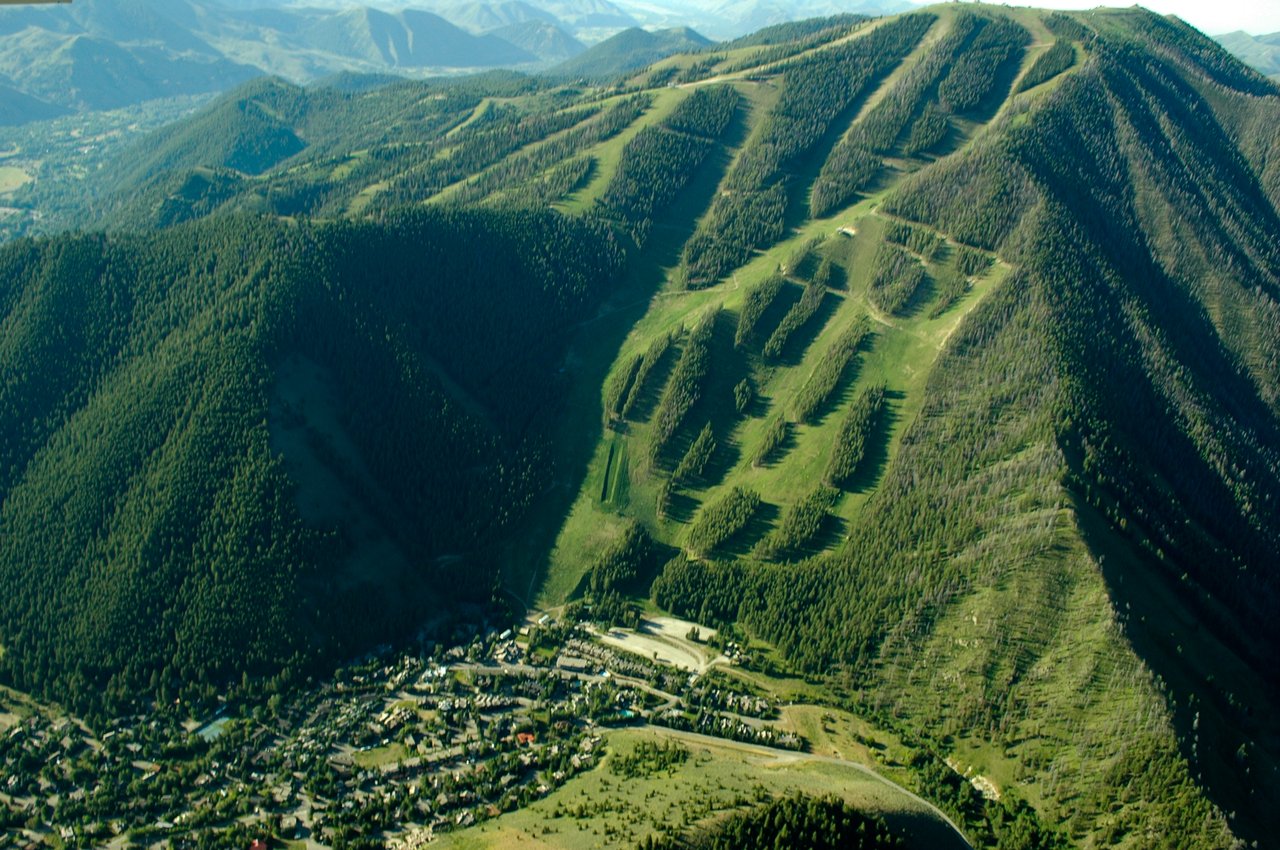
Sun Valley and the wider Wood River Valley are high-value resort markets with pricing well above state medians. Inventory can be seasonal and competitive, and cash or jumbo offers are common. To set expectations, review neighborhood-level data rather than a single listing. You can scan local medians and trends on the Blaine County market snapshot from Realtor.com’s Blaine County overview.
Many buyers here are second-home owners from out of state, which shapes negotiation and closing logistics. The region’s housing studies note a meaningful share of second-home ownership and supply pressure. For context on who is buying and how that affects inventory, see the Blaine County Housing Needs Assessment.
Remote showings that reveal the truth
Virtual tours are helpful, but they are not enough on their own. Insist on a layered approach so you see both the highlights and the “bones” of the home.
- Ask for a high-quality 3D tour and detailed floor plans when available. Many listings include a Matterport-style walkthrough.
- Schedule a live, guided video showing. Request views of the roof line, foundation, utility rooms, electrical panels, mechanicals, and exterior utilities.
- Get high-resolution photos of meters, any visible septic or well equipment, and the crawlspace if accessible.
- Record the walkthrough for later review if the seller allows it.
For process and safety best practices around virtual showings, review NAR’s guidance on virtual showings and tours.
Your remote-ready team
Building the right local bench makes remote buying smooth and low stress. Here is who you want involved and why they matter.
- Local buyer’s agent: Coordinates virtual showings, research, negotiations, and local contractors. They should be experienced with sight-unseen clients and second homes.
- Title and escrow: Opens escrow, verifies wiring, manages signing, and records the deed. Ask early about mail-away or e-notary options and ID requirements. Many Blaine County firms support remote signings; see a local example of practices in this title and escrow client guide.
- Home inspector: Conducts an in-person inspection with a mountain-property lens. They can coordinate specialty tests like well flow, water quality, or chimney scopes.
- Specialty contractors: Roofers, HVAC techs, electricians, and septic pros supply quotes and verify system health.
- Property manager or concierge: Handles final walkthroughs if you cannot attend, oversees winter checks, and, if you plan to rent, supports guest turnover and compliance.
- Lender experienced with second homes: Confirms loan type, down payment, and reserve expectations early so you can write a strong offer.
- Insurance broker: Advises on wildfire exposure, coverage types, and carrier availability.
Due diligence you must localize
Sun Valley properties often have systems and site conditions you do not see in typical suburban markets. Plan for these checks well before your contingency period expires.
Wells and septic basics
Many homes rely on private wells and on-site wastewater. Request well logs, a yield test, and water-quality results. On septic, ask for as-built records, verify the drainfield location and capacity, and confirm any engineered or alternative systems. Local planning and health signoffs are common and may affect renovations. For background on local approvals and records, review Blaine County’s planning materials that reference South Central Public Health District coordination in this Blaine County staff report.
Access, roads, and snow
Access can make or break mountain ownership. Confirm whether access roads and driveways are public or private, and whether there is a road maintenance agreement. Winter plowing is not automatic for private roads and can be a recurring cost. For city streets and priorities, see Sun Valley’s snow removal practices.
HOA rules and rentals
If rental income is part of your plan, you must clear two hurdles: city rules and the property’s CC&Rs. Idaho law limits blanket bans on short-term rentals, but cities can require permits, registration, and taxes. Ketchum runs a permit program, and Sun Valley collects local option room and occupancy taxes on short stays. Start with Idaho’s short-term rental statute and review Sun Valley’s local option tax provisions. If you are eyeing Ketchum, check the city’s Short-Term Rental permit page.
Also request the HOA’s rules, estoppel letter, and any rental restrictions. Some communities limit stays even if the city permits them.
Systems, roofs, and winterization
Freeze-thaw cycles, snow load, and radiant or boiler systems require close inspection. Ask your inspector to assess roof age and flashing, attic ventilation, insulation, heating plant type and age, and any propane tanks. If systems are older, budget time for electrician and HVAC evaluations. Get written quotes for any needed work during the contingency window.
Wildfire and insurance planning
Parts of Blaine County carry elevated wildfire risk. Discuss defensible space, roof and vent hardening, and likely premiums with your insurance broker early. Insurability and required mitigation can affect both costs and timelines.
Smart offer, financing, and appraisal
Sight-unseen offers are common, but you should protect yourself. Include standard contingencies for inspection, financing, appraisal, title review, and HOA documents. If rentals matter, add a specific contingency that the property meets city rules and CC&Rs for short-term rental eligibility.
Financing for second homes is not the same as for a primary residence. Lenders often ask for higher down payments and cash reserves, and they will classify the property based on intended use and occupancy. Start underwriting early so you can write with confidence and meet shorter response times when inventory is tight.
Appraisals in resort markets can swing with seasonality and limited comps. If value comes in low, you may renegotiate, exit under a contingency, or bridge a gap with additional cash. Align with your lender on options before you submit an offer.
Closing from anywhere
Idaho permits electronic and remote notarization. Many Blaine County title companies also support e-recording and mobile or mail-away signings, which means you can close without flying in. Read the Idaho Secretary of State’s overview of electronic notary rules and confirm your title company’s exact process and ID requirements.
To reduce wire fraud risk, call your escrow officer using a known phone number to confirm wiring instructions before you send funds. Set your final walkthrough plan in writing, either in person or via a trusted local representative, to confirm condition and inclusions.
Sun Valley task list at a glance
Use this quick checklist to cover local must-dos.
- Verify STR eligibility: Check zoning, CC&Rs, and permits. Start with Idaho’s STR statute and, for Ketchum, the city’s STR permit page. Review Sun Valley’s local option taxes for short stays.
- Confirm septic and well: Request as-builts, flow and water-quality tests, and health-district approvals. See local context in this Blaine County staff report.
- Check winter access: Identify who plows roads and driveways, any private maintenance agreements, and city service levels. Review Sun Valley’s snow removal page.
- Title and closing: Ask title about remote signing and e-recording, wiring verification steps, and ID requirements. A local example of remote-friendly practices is this title and escrow client guide.
- Insurance and wildfire: Price coverage early and review any mitigation needs with your broker.
Sample remote-buyer timeline
Every deal is different, but this is a realistic window for a financed purchase.
- Property search and virtual tours: 0 to 14 days
- Offer and negotiation: 1 to 7 days
- Inspection period: 7 to 14 days, with extra time for well, water, septic, or chimney tests
- Loan underwriting and appraisal: 14 to 45 days
- Title clearing and closing: 3 to 10 business days after clear-to-close
Policy-sensitive items like short-term rental rules and lender reserve requirements can change. Re-verify city rules, HOA restrictions, and lender overlays just before you commit to an offer and again before contingencies expire.
Work with a steady local guide
Remote buying in Sun Valley works when you pair a clear plan with on-the-ground expertise. Our team brings multi-generational local knowledge, modern virtual showings, and concierge-level coordination so you can make decisions with confidence from anywhere. If you are ready to explore options or want a quick consult on a property, reach out to the Stevenson Real Estate Group. We will meet you where you are, move at your pace, and guide each step from first tour to final keys.
FAQs
Can I close on a Sun Valley home entirely remotely?
- Often yes. Idaho allows electronic and remote notarization, and many local title companies support mobile or mail-away signings and e-recording. Confirm your title officer’s exact workflow and ID steps early.
How do Sun Valley short-term rental rules work for a remote buyer?
- Idaho limits blanket bans, but cities can require permits and taxes. Verify zoning and CC&Rs for the specific property, review Ketchum’s permit rules if applicable, and factor Sun Valley’s local option taxes on short stays.
What inspections are most important if I cannot be there?
- Get a full, in-person home inspection plus well flow and water-quality tests if there is a private well, septic records review or testing, and specialist checks for roof, HVAC, and chimney. Ask for photos and videos of key systems.
How are mortgages for second homes different here?
- Lenders often require higher down payments and cash reserves for second homes than for primary residences. Start underwriting early so your offer is accurate and competitive.
What are common dealbreakers for remote purchases in Blaine County?
- Failing or unpermitted septic, low well yield or poor water quality, HOA or CC&R rental limits, private road obligations or tough winter access, and insurance challenges tied to wildfire risk are the most common. Plan your due diligence to catch these early.