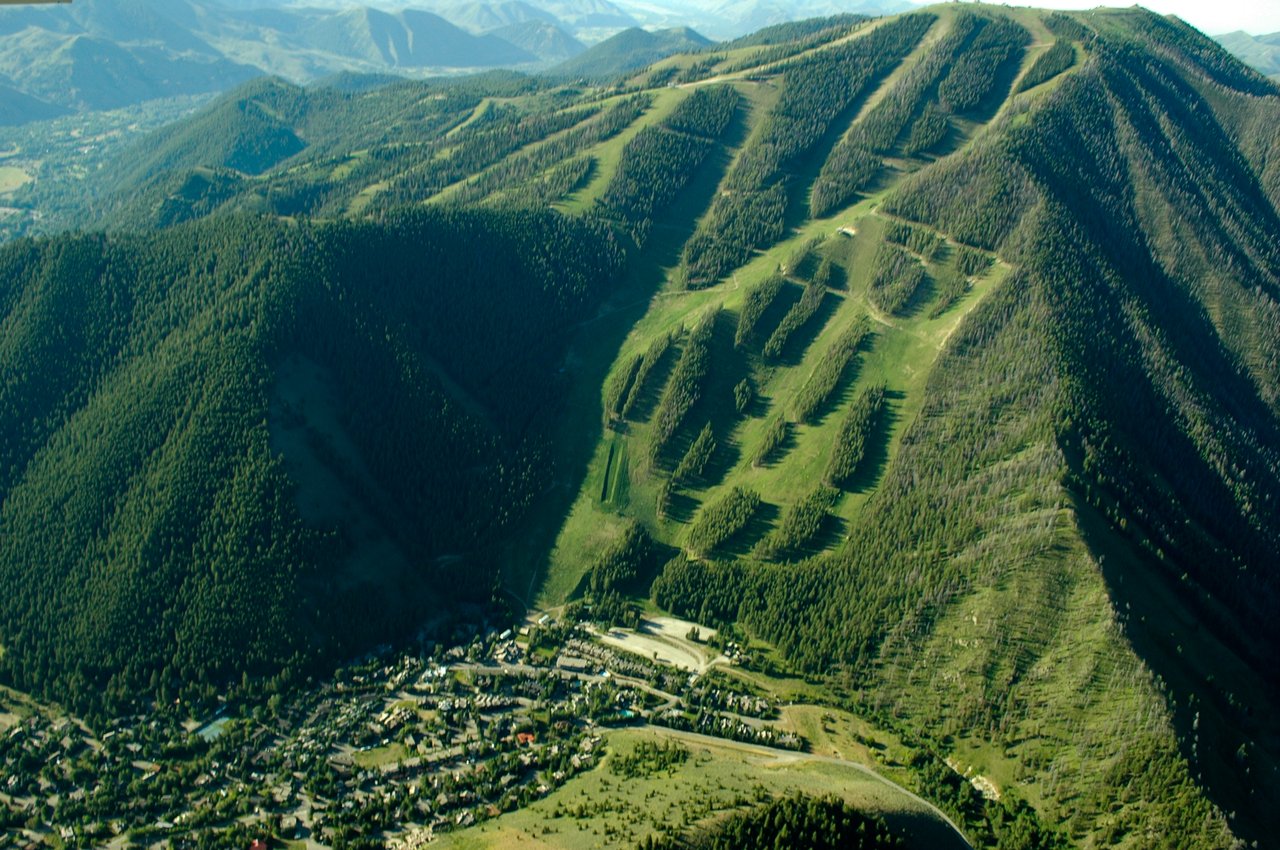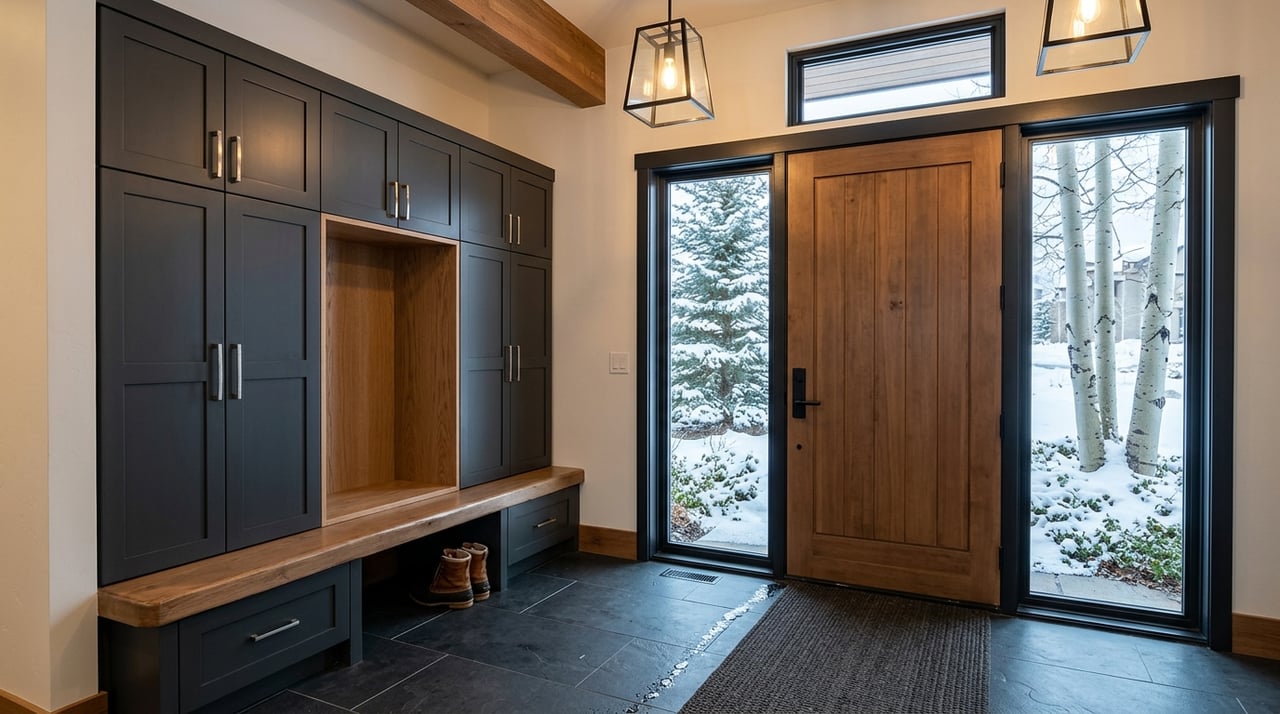
Owning a second home in Sun Valley can be deeply rewarding, but managing it from another city often feels like a job of its own. Between heavy winter snow, changing road conditions, wildfire season, and the logistics of repairs or arrivals, small issues can become bigger problems when you are not nearby. The good news is that a clear system can make remote ownership much more manageable, protect your property, and give you more confidence when the home sits vacant. Let’s dive in.
Why remote ownership in Sun Valley needs a plan
Sun Valley is not a market where you can simply lock the door and check in once in a while. NOAA data from the Ketchum station shows 102 inches of average annual snowfall and 17.34 inches of precipitation, with snow concentrated from late fall through spring. That makes winter access, roof and gutter care, and freeze protection regular responsibilities for second-home owners.
Wildfire readiness also belongs on your routine checklist. Blaine County recommends a written wildfire plan, evacuation planning, alert enrollment, and defensible-space maintenance. If you own from afar, these are not one-time tasks. They are part of the ongoing care of the property.
Build your core management system
A well-run second home usually depends on a few basic systems working together. When you set these up early, you reduce the number of last-minute decisions and service gaps later.
Keep utility information organized
The City of Sun Valley identifies Idaho Power, Intermountain Gas, Clear Creek Disposal, and Sun Valley Water & Sewer District as the basic utility contacts. It helps to keep account details, service numbers, and billing dates in one place so you can act quickly if something needs attention.
You should also keep a simple home operations file with alarm details, gate or garage codes, appliance information, and service history. If a vendor needs access while you are away, having this information ready saves time and lowers the chance of miscommunication.
Set clear access procedures
Remote ownership works best when trusted people know how to enter the home and what to do once inside. That may include cleaners, maintenance vendors, inspectors, or a local point person helping coordinate visits.
Create a written access plan that covers:
- Who has keys, codes, or garage access
- When vendors may enter the property
- Where shutoff valves and mechanical systems are located
- What to inspect during each visit
- Who to contact if there is damage or an urgent issue
Coordinate vendors before you need them
In a mountain market, timing matters. Snow events, seasonal service demand, and limited on-site windows can all slow things down if you wait until a problem appears.
A better approach is to identify your go-to vendors before each season begins. That might include heating service, roof or gutter help, snow removal for private areas, landscaping, irrigation, and general repair support.
Plan for winter before it arrives
Winter is the season that puts the most pressure on an unattended Sun Valley home. The goal is to prevent avoidable damage and make sure the property stays safe and accessible.
Focus on freeze protection
FEMA winter-prep guidance recommends insulating water lines along exterior walls, repairing roof leaks, cleaning gutters, draining outdoor hoses, disconnecting them from faucets, and keeping the home above freezing. It also recommends leak sensors or automatic shutoffs to reduce the risk of burst-pipe damage.
For a vacant home, these steps are especially important. If a pipe fails while no one is there, the damage can grow quickly. A pre-winter service visit can help confirm that the heating system is working properly and that vulnerable areas have been addressed.
Think beyond indoor systems
Winter readiness is not just about heat. You also need to think about whether someone can safely get to the property after a storm and whether entry points remain usable.
The City of Sun Valley notes that its Street Department handles snow removal and sanding on city streets and paths. That helps with public access, but you should still plan for private areas such as driveways, walkways, roofs, gutters, and entry zones that may need separate attention.
Track winter travel conditions
If you are flying in for a short visit or sending someone to the property, travel timing matters. The city says Friedman Memorial Airport in Hailey is about 20 minutes from Sun Valley, which can be helpful for quick trips and service coordination.
For road travel, Idaho 511 is the official source for road conditions, closures, restrictions, and cameras. The Idaho Transportation Department specifically recommends using it to plan the safest route during winter travel.
Understand local repair and access rules
Even simple maintenance can get complicated if you are managing it remotely without knowing local rules. A little planning can help service calls, inspections, and projects go much more smoothly.
Know the parking rules
Sun Valley prohibits street parking unless it is in a designated area. Homeowners may allow guest parking for less than five hours if at least 18 feet of paved roadway remains open, and the Police Department should be notified for social events or major building and landscaping work that may involve prolonged parking.
That matters if you are scheduling inspectors, showings, multiple contractors, or delivery teams. If vehicles are not planned properly, a routine appointment can become more complicated than expected.
Confirm permits before work starts
The city’s Building Department oversees permits, inspections, and final occupancy approval. The same city guidance also notes that many neighborhoods have HOAs or master associations that may impose stricter work-hour rules than the city itself.
Sun Valley’s published construction window is Monday through Friday from 7:30 AM to 7:30 PM, Saturday from 9:00 AM to 6:00 PM, and no Sunday construction. The city also routes electrical, plumbing, and HVAC permits to the Idaho Division of Building Safety, while septic, commercial kitchen, and commercial pool matters go to South Central Health District. Before work begins, it is wise to confirm which authority handles which permit.
Make wildfire readiness part of routine care
Wildfire planning is a normal part of property ownership in Blaine County. If your home may sit empty for stretches of time, your plan should be written down and easy for others to follow.
Maintain defensible space
Blaine County recommends a Firewise-style approach around the home. That includes keeping roughly 30 feet around the structure free of burnable material, reducing flammable vegetation from 30 to 100 feet, and cleaning roofs and gutters regularly.
For a second home, this means your spring and summer checklist should include vegetation trimming, debris removal, and a review of any areas where dry material may build up. These tasks are easy to postpone, but they are important to the property’s overall readiness.
Watch seasonal fire restrictions
The Idaho Department of Lands coordinates fire restrictions across agencies. During the closed fire season from May 10 through October 20, burning on state and private lands is regulated through burn permits, and restrictions can apply across all lands in the designated area regardless of ownership.
If you schedule landscaping, cleanup, or seasonal opening work from afar, make sure anyone helping you understands the current rules before they begin outdoor burning or related work.
Enroll in emergency alerts
Blaine County’s Smart911/Rave system replaced CodeRED in January 2026. The system can send emergency notices about wildfire evacuations, flooding, severe weather, road closures, traffic updates, and other critical information.
For remote owners, alert enrollment is one of the simplest and most valuable steps you can take. It helps you respond faster, whether the issue involves your home directly or affects travel and property access.
Use a seasonal checklist
A second home is easier to manage when tasks are grouped by season instead of handled one by one. A simple checklist also makes it easier for anyone helping you locally to follow the same process each time.
Before winter
Use your pre-winter checklist to cover the basics:
- Service the heating system
- Insulate vulnerable water lines
- Repair roof leaks
- Clean gutters
- Drain and disconnect outdoor hoses
- Confirm the home will stay above freezing
- Test leak sensors or shutoff devices
- Review driveway, walkway, and roof access needs
During winter and after storms
Your in-season checklist should focus on safety and access:
- Confirm indoor heat is operating
- Check roof, gutter, and entry conditions
- Make sure private access areas are usable
- Review travel conditions through Idaho 511 before arrivals
- Follow up after major snow events
Spring and summer
As snow season ends, shift attention to wildfire readiness and warm-weather systems:
- Inspect defensible space around the home
- Trim vegetation and remove burnable debris
- Clean roofs and gutters
- Verify irrigation start-up and shutoff timing
- Update emergency contacts and alert settings
- Review the property before any long vacancy period
When local real estate guidance helps
Sometimes remote ownership needs more than a vendor list. If you are coordinating access, evaluating repair follow-up, preparing for a future sale, or trying to understand how a property is positioned in the current Sun Valley market, a local real estate team can be a practical resource.
In Sun Valley, that support can be especially helpful because access and scheduling may be shaped by parking rules, construction hours, and HOA or master-association requirements. A local advisor can help you think through logistics, connect you with trusted professionals, and keep an eye on the bigger picture if your goals change over time.
If you own a second home in Sun Valley and want a knowledgeable local perspective on property logistics, market positioning, or next steps, Stevenson Real Estate Group offers thoughtful, hands-on guidance tailored to the Wood River Valley.
FAQs
How often should you check a vacant second home in Sun Valley?
- Because Sun Valley has heavy snow, winter weather, and wildfire considerations, a vacant home should be checked on a consistent schedule that matches the season, weather conditions, and the home’s systems and exposure.
What should you do before winter at a Sun Valley second home?
- Before winter, focus on heating service, pipe protection, roof and gutter maintenance, outdoor hose drainage, leak prevention, and a plan for safe access after storms.
What alerts should remote Sun Valley homeowners sign up for?
- Remote homeowners should enroll in Blaine County’s Smart911/Rave emergency alert system and use Idaho 511 to monitor road conditions, closures, restrictions, and cameras during winter travel.
What parking rules matter for Sun Valley service visits?
- Sun Valley prohibits street parking unless it is in a designated area, and longer or more complex contractor or event parking situations may require advance coordination with the Police Department.
What wildfire maintenance matters most for a Sun Valley second home?
- Key wildfire tasks include maintaining defensible space, reducing flammable vegetation, cleaning roofs and gutters, reviewing evacuation planning, and keeping emergency contacts current.
When should you involve a local real estate professional with a Sun Valley second home?
- A local real estate professional can be especially useful when you need help with coordinated access, inspection follow-up, contractor referrals, or evaluating whether the property is positioned for a future sale.