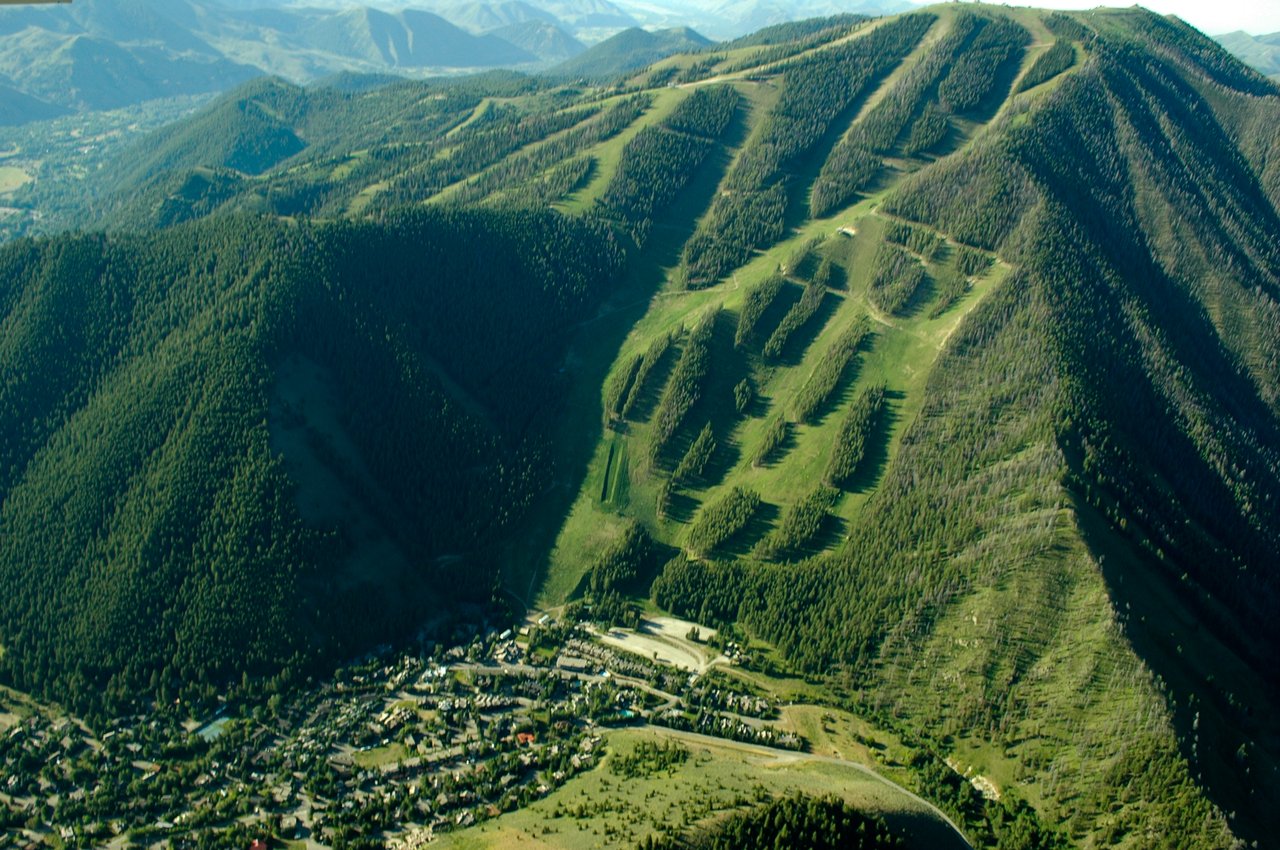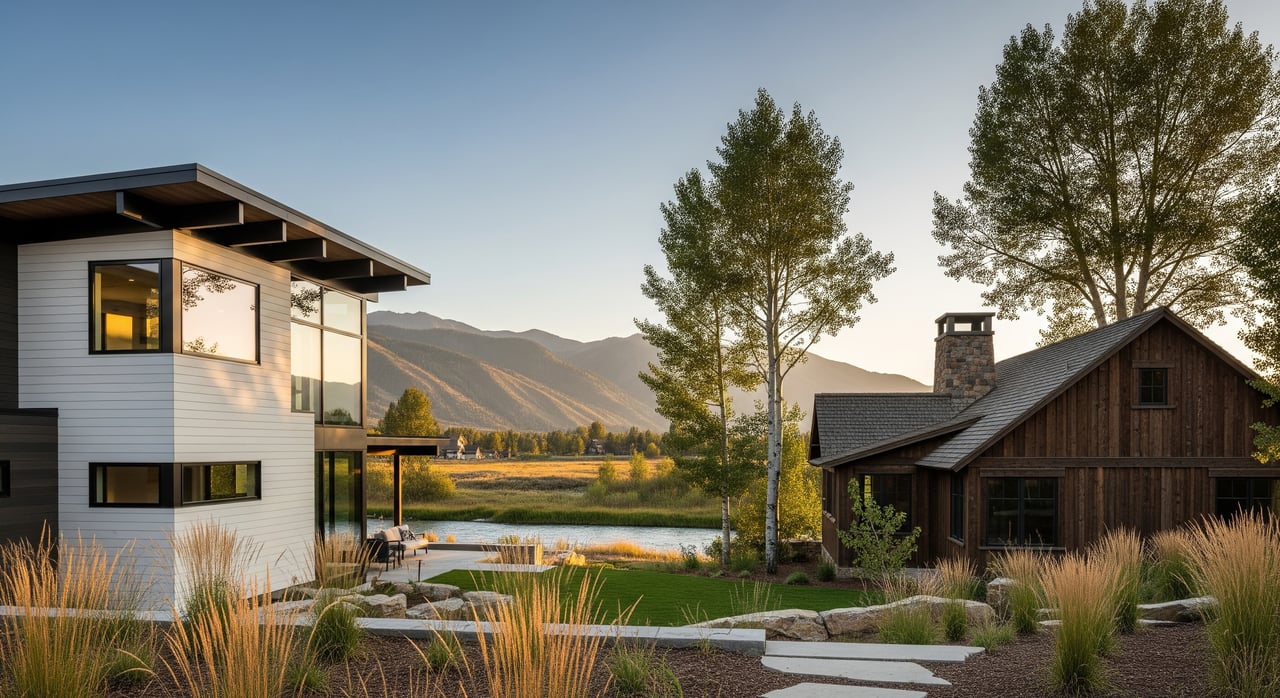
Are you deciding between a new-construction home and a resale in Mid Valley’s 83333 ZIP? The choice can feel big when you factor in timelines, budgets, and how you plan to use the home. Whether you are relocating full time or buying a second home, you want a clear path that fits your priorities. This guide breaks down what to expect in Blaine County’s mountain market so you can choose with confidence. Let’s dive in.
Timeline to move-in
If speed matters, resale is usually fastest. You can often go from contract to close in about 30 to 60 days, depending on financing and inspections. Completed or near-complete spec homes can close on a similar timeline if they are finished and ready for occupancy. Builder inventory that is still underway typically runs 3 to 6 months.
Custom builds take longer. Plan on 6 to 18 months or more from permit to move-in. Weather matters in the Wood River Valley. Winter conditions compress the building season, which can push excavation, foundation, and exterior work into warmer months.
Permits and approvals add time for both new homes and major remodels. Building permits, septic or well permits, and any required architectural or HOA design review can extend the schedule. Materials, labor availability, and change orders are common sources of delay, so build in extra time and a contingency budget.
Costs and financing
New construction often costs more per square foot than comparable resale. You may be paying a premium for modern systems, current codes, and updated finishes. That premium can be offset by lower near-term maintenance and better energy performance, but it varies by builder and finish level.
Resale pricing depends on location, lot quality, condition, and recent comparable sales. In some cases, well-located resales in established neighborhoods can command strong prices even if the home is older. Consider total cost of ownership, not just the list price.
Upfront costs differ. New builds can include site prep, grading, retaining walls, utility hookups or well and septic, impact fees, and initial landscaping. If your build runs long, factor in temporary housing costs. Resales may require capital for updates like roof work, HVAC, septic replacement, or cosmetic renovations.
Financing paths also differ. Resales usually fit standard mortgages such as conventional, FHA, or VA. New construction often uses construction loans or construction-to-permanent loans that can require higher down payments and different underwriting. Some builders offer preferred-lender incentives, but it is smart to compare terms before deciding.
Taxes and insurance can shift with your choice. New construction may raise the assessed value, which can increase property taxes. Insurance on new homes can be lower at first due to updated systems, but mountain risks like wildfire exposure and snow-load requirements can affect premiums for both new and resale.
Quality, finishes, and warranties
With new construction, you can often choose finishes such as cabinets, counters, flooring, and fixtures. Many builders offer standard packages plus upgrades. High-end materials are available but can increase costs and extend lead times. Some builders in mountain markets favor durable, low-maintenance materials that perform well in cold and snow.
Resale homes come as they are. If you want a different style, plan for renovations after closing. Older systems may be closer to replacement, so budget for mechanicals such as HVAC and water heaters.
Builder warranties are a key benefit of new construction. A common structure is 1 year for workmanship and finishes, 2 years for mechanical, plumbing, and electrical systems, and a longer structural warranty that can range from 5 to 10 years. Terms vary by builder, so get everything in writing and confirm whether the warranty is transferable.
Resale often does not include a builder warranty. You can sometimes negotiate a third-party home warranty as part of the sale. Regardless of the property type, independent inspections provide essential protection.
New builds still need third-party inspections. Staged inspections at foundation, framing, and mechanical rough-ins can catch issues before they get buried. A final inspection before the last draw or closing helps confirm the punch list is complete. For resales, a full home inspection is standard, and septic, well, pest, roof, and chimney checks may be wise depending on age and condition.
Location and HOA tradeoffs
New subdivisions and planned communities often sit on the edges of established areas. They may be farther from town centers, schools, or medical services, but they can offer larger lots, newer infrastructure, and community amenities like trail access or common areas. Resales tend to be in mature neighborhoods with more established landscaping and a settled neighborhood character.
HOAs are common in planned communities. Expect covenants, design review, and monthly dues. For second-home owners, managed exteriors and snow or common-area maintenance can be a major convenience. The tradeoff is rules and the possibility of special assessments. Always review HOA budgets, reserve studies, and recent meeting minutes to understand both services and financial health.
Some resales are in neighborhoods without an HOA or with lighter covenants. That can mean more flexibility but also more owner responsibility for maintenance and standards.
Site and mountain factors
Mountain properties come with site-specific details that matter for both new and resale.
- Utilities. Some lots rely on well and septic rather than city water and sewer. Verify feasibility, permit history, and future replacement timelines.
- Topography. Steeper lots can raise foundation and access costs but may offer better views. Driveway design and snow management are important in winter.
- Wildfire and defensible space. Many properties are in areas where wildfire mitigation is recommended or required. Insurers may require defensible-space measures.
- Flood and geologic hazards. Confirm any floodplain status and whether a geotechnical assessment is needed. These factors can affect foundation design and insurance.
- Snow-load design. Structural considerations for roof and deck loads are part of building in snow country. Verify the home’s design and maintenance plan.
Who should choose what
Link your choice to your timeline, budget, and how you plan to use the home.
- If you need to move quickly. Focus on resale or completed spec homes. These options usually provide the fastest path to keys in hand.
- If customization is a top priority. Choose new construction and plan for a longer timeline and higher upfront costs. You get modern systems and your preferred finishes.
- If you want low-maintenance living. Look at HOA-managed communities. Managed exteriors and snow policies can be valuable if you are off-site part of the year.
- If location is the driver. Resale in established neighborhoods often puts you closer to town services and community amenities.
- If you want newer infrastructure or larger lots. Newer communities can be a fit, with tradeoffs in distance and HOA rules.
Due diligence checklist
Use this list to reduce surprises and protect your investment in 83333.
- Verify permits and zoning. For new builds, confirm building, septic, and well permits and any required design review. For resales, check recent permits for additions or remodels.
- Review HOA documents. Read CC&Rs, rules, bylaws, budgets, financial statements, and reserve studies. Scan recent minutes for upcoming projects or assessments.
- Order a title report. Confirm easements, encroachments, and any special assessments or restrictions on the parcel.
- Confirm utilities and site constraints. For vacant land or new builds, verify utility availability, connection fees, septic and well feasibility, stormwater requirements, and site conditions like rock or wetlands.
- Schedule inspections. For resales, get a general home inspection plus septic, well, roof, pest, chimney, or structural checks as needed. For new builds, request staged and final independent inspections before close.
- Check risk profiles. Review wildfire and flood exposure and confirm insurance availability and premium ranges with your insurer.
- Line up the right financing. Consult lenders experienced with Idaho construction loans if you are building. Ask about draw schedules, interest, and conversion terms for construction-to-permanent loans.
- Confirm builder credentials. For new construction, review contract terms, warranty documents, allowances, finish schedules, and a realistic build timeline. Make punch-list completion and occupancy conditions part of the agreement.
Buying strategies for 83333 buyers
Relocating families often prioritize proximity to schools, medical services, and commute times. Resale homes in mature areas can provide quick occupancy and established access to services. If you plan to renovate, set a realistic timeline and budget so you can align move-in with work schedules and school calendars.
Second-home buyers usually value ease and reliability. HOA-managed communities can simplify snow and exterior upkeep, which helps if you are away much of the year. If you want to build, plan around seasonal constraints and allow extra time for permits, site work, and material lead times.
In both cases, start with your must-haves. Decide where you can trade finish level for location or timeline for customization. A clear priority stack will make negotiations smoother and outcomes better.
How we help you decide
You deserve steady, local guidance that matches your goals with the right property, not just the next listing. Our team pairs decades of on-the-ground experience in the Wood River Valley with modern, data-driven process management. We help you compare options, organize due diligence, coordinate inspections, and keep your timeline and budget on track.
If you want a calm, concierge-level experience that is responsive to your needs in Mid Valley and across the Valley, connect with the Stevenson Real Estate Group. We will help you move forward with clarity.
FAQs
What is the fastest way to move into a Mid Valley home?
- Resale or a completed spec home is usually fastest, with many purchases closing in about 30 to 60 days if financing and inspections are straightforward.
How long does a custom build take in 83333?
- Custom builds commonly take 6 to 18 months from permit to move-in, with seasonal weather and permitting timelines often extending schedules.
Will a new-construction home raise my property taxes?
- It can. New construction often increases the assessed value, which may raise property taxes compared with an older home of similar size and location.
Do I still need inspections on a new home?
- Yes. Third-party inspections at key stages and at final walk-through help catch issues early and make the punch list and warranty process more effective.
What should I review before buying into an HOA community?
- Read the CC&Rs, rules, budgets, financials, and reserve studies, and review recent meeting minutes to understand services, dues, and potential special assessments.
How do wildfire and snow affect my decision in Blaine County?
- They can influence design, maintenance, insurance availability, and costs. Verify defensible-space requirements, snow-load design, and insurer guidelines for the property.