Where Can You Find Ernest Hemingway's History in Sun Valley?
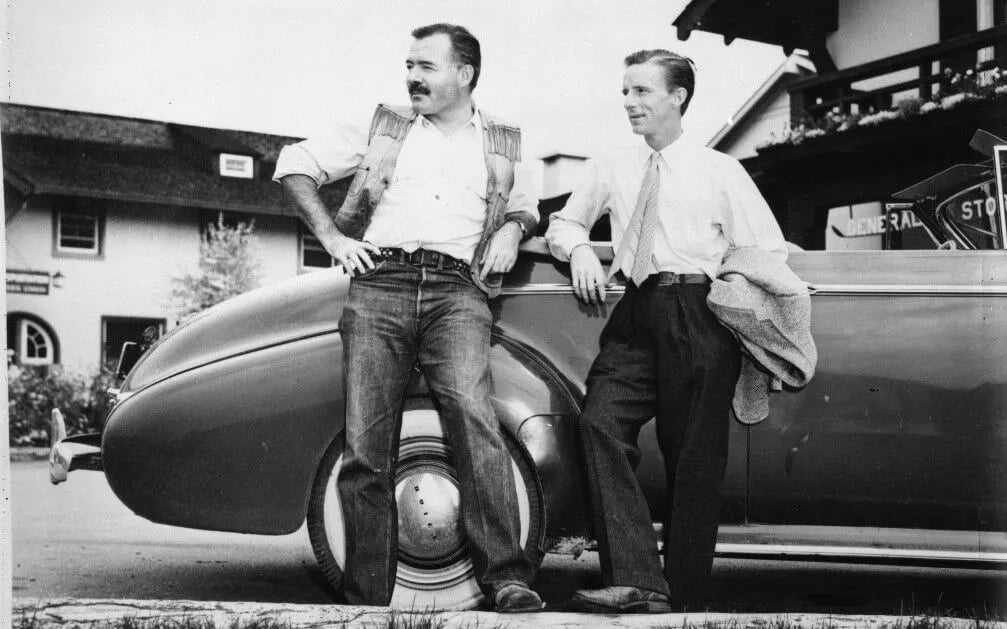
Ernest Hemingway first arrived at the Sun Valley Lodge in September 1939, finished writing For Whom the Bell Tolls in Suite 228, and spent much of the next twenty-two years returning to the Wood River Valley before making Ketchum his final home in 1959. Today, you can trace that history through four sites: his writing suite at the Sun Valley Lodge, the bronze Hemingway Memorial on Trail Creek Road, his former home (now preserved by The Community Library), and his gravesite at Ketchum Cemetery.
By Matt Stevenson | August 3, 2026
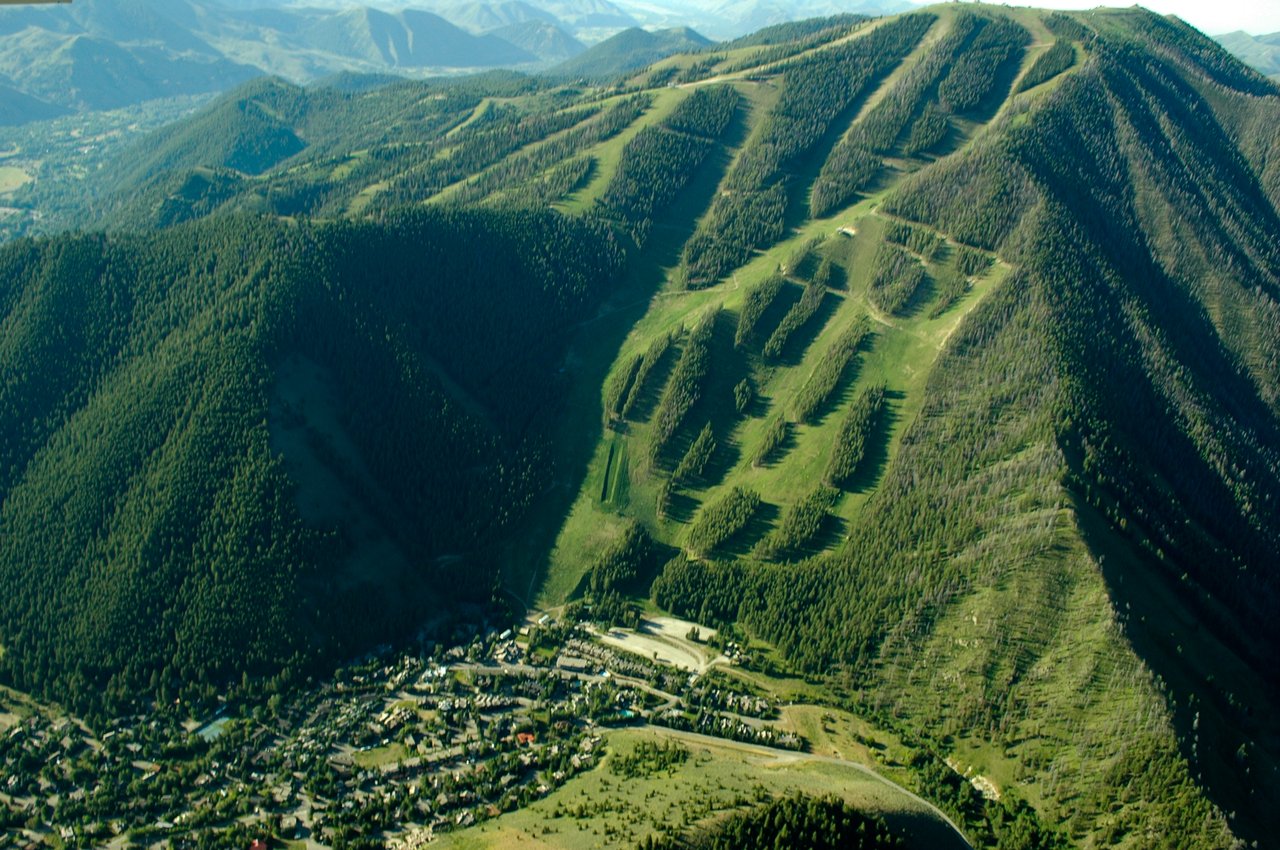
There's a reason Sun Valley shows up in more literary trivia than almost any other ski town in the country. Ernest Hemingway didn't just visit — he kept coming back for over two decades, and the valley left as much of a mark on him as he left on it.
If you've ever wondered why this particular corner of Idaho pulls in writers, artists, and thinkers alongside skiers and second-home buyers, Hemingway's story is a big part of the answer.
Where It Started: Suite 228 and "For Whom the Bell Tolls"
Hemingway arrived at the Sun Valley Lodge late one September evening in 1939, driving up with Martha Gellhorn, who would become his third wife. The resort had invited him to stay as one of its celebrity guests — an early example of Sun Valley's long habit of drawing outsized personalities to a small mountain town.
He set up in Suite 206, now renumbered Suite 228, and put his Royal typewriter on the desk facing the Wood River Valley. It was there that he finished For Whom the Bell Tolls, one of his most widely read novels, in a room he nicknamed "Glamor House."
That first stay turned into a pattern. Hemingway kept returning for long autumn visits over the following years, drawn by the hunting, the fishing, and — by most accounts — the quiet.
The Hemingway Memorial on Trail Creek Road
About a mile northeast of the Lodge, just past Golf Lane on Trail Creek Road, a short downhill trail leads to a bronze bust of Hemingway mounted on a marble column overlooking Trail Creek.
Sculptor Robert Berks created the piece, and it was dedicated on July 21, 1966 — Hemingway's birthday, five years after his death. The column is inscribed with a passage Hemingway wrote for a friend's eulogy, reflecting on the natural beauty of the place he kept returning to.
It's an easy stop if you're already out walking or biking along Trail Creek, and one of the more understated tributes to a major literary figure you'll find anywhere.
A Twenty-Two Year Relationship With the Valley
Hemingway's connection to Idaho wasn't a single visit — it spanned more than two decades, from that first stay in 1939 to 1959, when he and his fourth wife, Mary Welsh, made Ketchum their home.
He died there in 1961. Mary Hemingway later bequeathed the house to The Nature Conservancy, and after roughly thirty years, it passed to The Community Library in Ketchum, which now oversees the 14-acre property. The house remains private, but it's listed on the National Register of Historic Places — a formal recognition of just how significant this stretch of the Wood River Valley was to American literature.
Visiting His Grave at Ketchum Cemetery
Hemingway is buried at Ketchum Cemetery, at 1026 North Main Street, not far from the center of town. His grave is simple by design — a flat, grey marble slab inscribed only with his name and dates: Ernest Miller Hemingway, July 21, 1899 – July 2, 1961.
There's no signage pointing you to it directly. If you enter the cemetery and follow the loop road counter-clockwise, the grave sits roughly halfway around, set back among a small grove of trees. Visitors — often literature fans making something of a pilgrimage — tend to leave small tokens at the site. It's a quiet, respectful spot, and worth treating it that way.
Why This Kind of History Still Matters Here
It would be easy to file this under "local trivia" and move on, but it's part of what makes the Wood River Valley more than just a beautiful place to ski or buy a second home.
Towns with this kind of layered history — a Nobel laureate who wrote one of his best-known novels here, a memorial still tucked along a creekside trail, a home preserved rather than redeveloped — tend to hold onto their character in a way that newer resort towns don't. That's part of what draws people back, year after year, long before they ever think about buying property.
If a place with this kind of story is part of what's pulling you toward the valley, we'd love to show you around — not just the listings, but the place itself.
Frequently Asked Questions
Where did Hemingway write For Whom the Bell Tolls?
He wrote it in Suite 206 (now Suite 228) at the Sun Valley Lodge, where he first stayed starting in September 1939.
Where is the Hemingway Memorial located?
It's on Trail Creek Road, about a mile northeast of the Sun Valley Lodge and a quarter mile north of Golf Lane, down a short trail overlooking Trail Creek.
Can you visit Hemingway's grave in Ketchum?
Yes. He's buried at Ketchum Cemetery at 1026 North Main Street. His grave is a simple flat marble marker roughly halfway around the cemetery's loop road, and it remains a quiet, well-visited site for literature fans.
Where did Hemingway live during his final years?
He and his fourth wife, Mary Welsh, made Ketchum their home starting in 1959. The house is now preserved by The Community Library and listed on the National Register of Historic Places.
Is Hemingway's former Ketchum home open to the public?
The 14-acre property remains private under The Community Library's stewardship, though its historic designation reflects its significance to the valley's cultural history.
Image: Visit Sun Valley
About Stevenson Real Estate Group
The Stevenson Group has decades of experience in Sun Valley, and use that historical knowledge to help long-time and new clients achieve their real estate goals. Selling everything from remote mountain lodges in the Sawtooths to luxury estates on the Big Wood River to starter homes in the South Valley, Gayle, Matt and team consistently get the job done like few other agents or teams in the market.