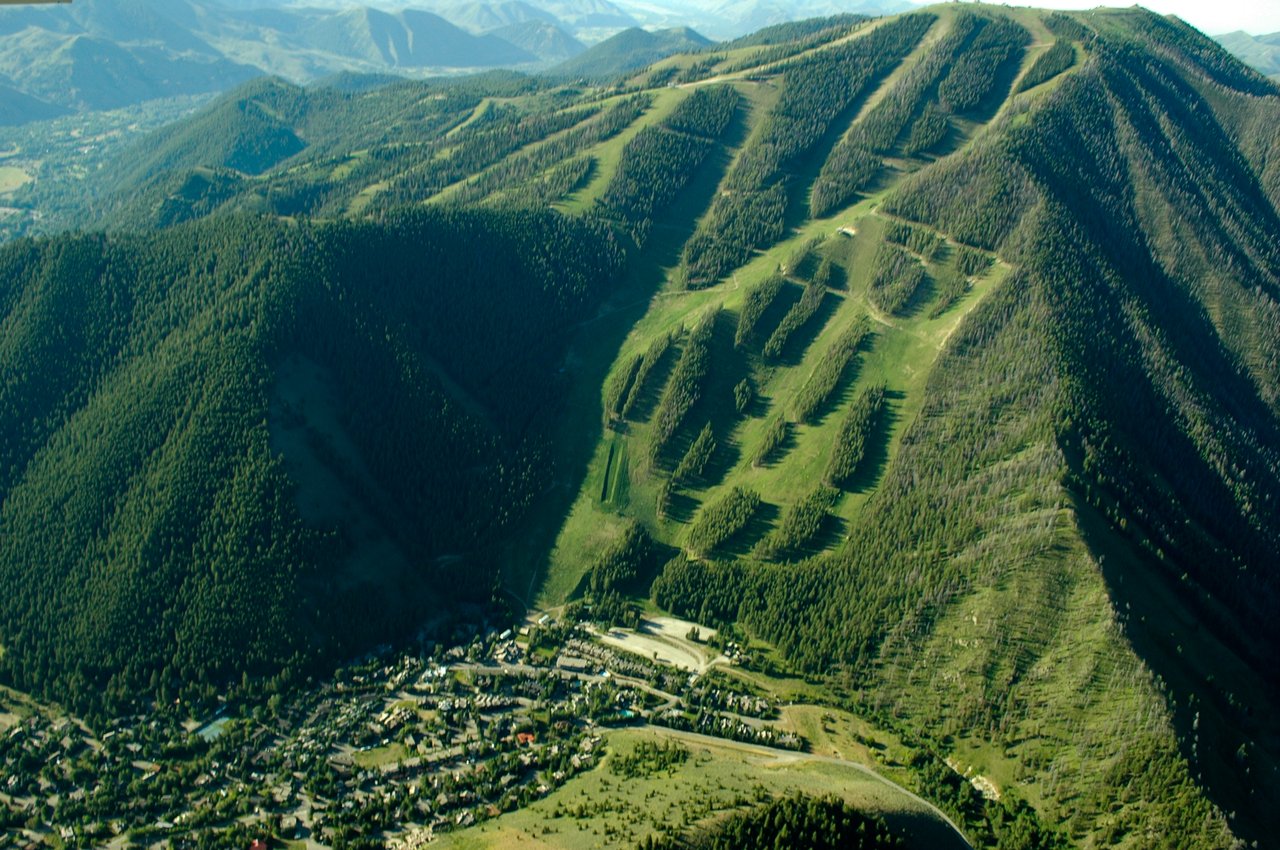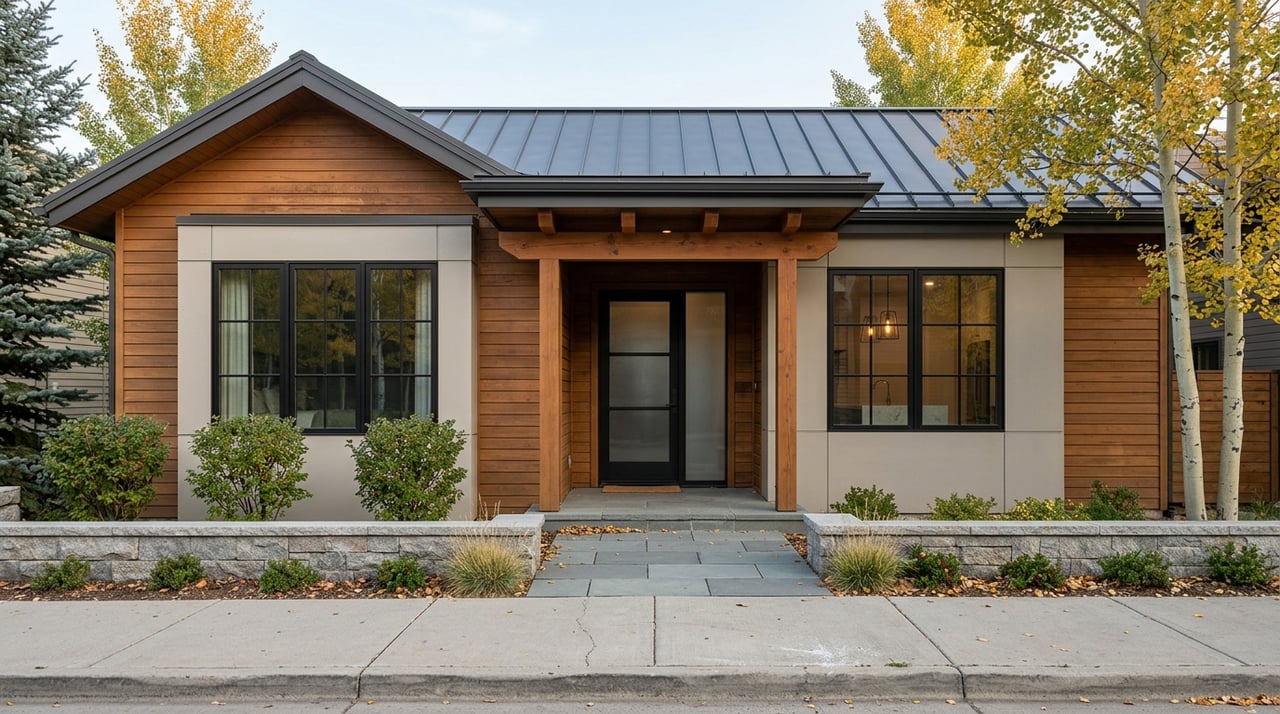
Thinking about living in Ketchum with less time behind the wheel? You are not imagining it. In the right part of town, a car-lite routine can feel surprisingly natural thanks to a compact downtown, free bus service, and a paved trail system that connects much of the Wood River Valley. If you are wondering what that looks like in real life, this guide will help you picture the day-to-day rhythm and the tradeoffs that come with it. Let’s dive in.
Why Ketchum Can Feel Car-Lite
Ketchum is set up differently than many mountain towns. The city describes it as a vibrant town with a lively downtown full of restaurants, shops, art galleries, and year-round cultural events. That kind of compact core matters because it puts many everyday destinations close together.
The city’s downtown planning also points to a center built for short trips and street-level activity. With a retail core, arts-focused areas, gateway districts, and civic spaces, the layout supports the idea that walking is part of daily life, not just something you do on vacation.
Ketchum’s transportation planning adds more support for that pattern. The city notes that bicycle and pedestrian traffic is prevalent, especially in summer, and existing facilities include sidewalks, shared-use pathways, bike lanes, and sharrows. Dedicated pedestrian signals at several downtown crossings also suggest that walking is a normal part of getting around.
Where Car-Lite Living Works Best
A car-lite lifestyle in Ketchum is not the same in every location. Based on the city’s downtown and neighborhood planning, the easiest setup is typically in or near downtown, where homes are closest to the retail core and daily errands can stay compact.
The master plan describes urban residential neighborhoods surrounding downtown. It also identifies an area east of Main Street and south of Sun Valley Road as a garden district with courtyards and a median park. For buyers, that means location matters a great deal if your goal is to walk or bike more and drive less.
If you live farther from the core or in a more edge-of-town setting, daily life may still include bike and transit options, but it may not feel quite as effortless. In other words, Ketchum can support a car-lite routine, but the experience is strongest when your home base is connected to downtown patterns and valley routes.
How You Get Around Day to Day
Walking in Downtown Ketchum
Walking is often the simplest way to handle short daily trips in the core. Downtown Ketchum includes restaurants, shops, galleries, and cafes, which means your routine can stay centered around a relatively small area.
That can change how a day feels. Instead of planning a series of separate drives, you may be able to combine coffee, lunch, errands, and a quick stop at a local shop into one outing on foot. For many buyers, that is the real appeal of car-lite living.
Riding Mountain Rides
Transit is another key part of the picture. Mountain Rides is the regional public transportation provider for Blaine County, serving Ketchum, Sun Valley, Hailey, Bellevue, and Carey, and the city states that bus service is free.
Current service includes year-round routes and seasonal routes, including service between Ketchum and Sun Valley as well as an Airport route. That gives you a practical option for local movement and some regional trips without needing to use your car every time.
Using the Wood River Trail
The Wood River Trail is one of the biggest reasons car-lite living feels realistic here. Blaine County Recreation District describes it as a 20-plus mile paved, multi-use, year-round non-motorized path linking Bellevue, Hailey, Ketchum, and Sun Valley.
Locally, many people think of it simply as the bike path, but it does much more than support recreation. Because it connects communities through the valley, it can function as a real mobility corridor for walking, biking, and seasonal use.
Connecting to Nearby Areas
Ketchum’s transportation plan highlights several useful links. The Wood River Trail connects Ketchum south through the valley, the Sun Valley Road path connects Ketchum to Sun Valley, and a two-way cycle track along Warm Springs Road serves bicyclists and pedestrians.
These connections make many short local trips possible without driving. They also show why route choice matters, especially near busier streets or crossings. A car-lite routine here works best when you know how the network fits together.
What Daily Life Really Feels Like
A car-lite lifestyle in Ketchum is often less about giving up a car entirely and more about not needing it for every little thing. If your home is near downtown, you may find yourself walking to coffee, meeting friends for dinner, browsing shops, or handling small errands without much planning.
That convenience can make everyday life feel more relaxed. You are not always dealing with parking, short drives, or repeated trips back and forth through town. In a place with an active downtown, that rhythm can be a meaningful quality-of-life benefit.
Open space also helps. Ketchum maintains more than a dozen parks and natural areas that are free and open to the public, and Forest Service Park sits one block west of Main Street on the south edge of downtown. The city notes that locals often use it for lunch breaks and dog walks, which adds to the sense that daily life can stay close to home.
What Still Requires Planning
It Is Car-Lite, Not Always Car-Free
Ketchum supports a mix of walking, biking, transit, and occasional driving. The transportation plan describes strong seasonal traffic patterns, with peaks in summer and winter and lighter shoulder seasons, which is a reminder that this is still a busy mountain town at certain times of year.
That means a car-lite routine is usually exactly that: lighter car use, not zero car use. Larger errands, some regional trips, weather conditions, or your specific home location may still make driving part of your week.
Parking Still Shapes Decisions
If you do keep a car, parking policies matter. The city manages parking to favor short-term customer use near businesses and encourages residents and visitors to consider transit, walking, cycling, or other non-motorized transportation, especially during high-demand event and tourism periods.
The Washington lot currently offers a free first hour during the daytime. Ketchum also has winter rules that prohibit on-street parking from 2 a.m. to 7 a.m. between Nov. 1 and May 1. Those rules are useful to know because they can influence how you think about daily driving and overnight parking.
Bike Safety Matters
A bike-friendly town still comes with rules and shared-use expectations. Ketchum’s guidance says multi-use paths are shared by pedestrians, cyclists, and pets. Most paths have a 15 mph speed limit, the Warm Springs path is limited to 10 mph, and lights are required at night.
That framework helps keep the system usable for many kinds of travelers. If biking is going to be part of your routine, understanding those basics is part of living well in a shared environment.
Who This Lifestyle Fits Best
Car-lite living in Ketchum tends to fit buyers who want a compact daily routine and value being close to downtown activity. If you are comfortable walking, using transit, or biking for many of your regular trips, the setup can feel efficient and enjoyable.
It can also appeal to second-home owners and relocating buyers who do not want every arrival or outing to depend on driving. The airport is about 14 miles south of Ketchum in Hailey, and Mountain Rides includes an Airport route, which can make travel days and in-town movement easier to manage.
At the same time, fit depends on your expectations. If you want a truly car-free setup in all seasons for every errand, Ketchum may feel more mixed than absolute. But if your goal is to reduce driving and build a more walkable, connected routine, it offers a strong foundation.
What Buyers Should Look For
If a car-lite lifestyle is part of your home search, it helps to evaluate homes through that lens from the start. A property can be beautiful and still not match the routine you want.
Here are a few practical things to consider:
- Distance to downtown Ketchum
- Access to sidewalks, shared-use paths, or bike routes
- Ease of reaching Mountain Rides service
- Connection to the Wood River Trail or Sun Valley Road path
- How often you expect to travel to Hailey, Sun Valley, or other parts of the valley
- Whether you plan to keep a vehicle and need to think about parking rules
For many buyers, this comes down to matching lifestyle goals with location. In Ketchum, even small differences in where a home sits can change how often you walk, bike, ride the bus, or drive.
If you want help finding a home that supports the way you actually want to live in Ketchum, Stevenson Real Estate Group offers thoughtful, local guidance across the Wood River Valley with a clear, low-pressure approach.
FAQs
What does car-lite living in Ketchum mean for daily life?
- In Ketchum, car-lite living usually means handling many short trips by walking, biking, or riding Mountain Rides while still using a car occasionally for larger errands, regional outings, or certain seasonal needs.
Which parts of Ketchum are best for a car-lite lifestyle?
- The strongest car-lite experience is generally in or near downtown Ketchum, where homes are closer to the retail core, restaurants, shops, parks, and transit connections.
Is Mountain Rides free in Ketchum?
- Yes. The city states that Mountain Rides bus service is free, and the system serves Ketchum as well as other Blaine County communities.
Can you bike between Ketchum and other Wood River Valley towns?
- Yes. The Wood River Trail is a paved, year-round multi-use path that links Bellevue, Hailey, Ketchum, and Sun Valley, making non-motorized travel more realistic for many trips.
Do you still need a car in Ketchum?
- Many people will still want a car for some trips, since Ketchum is better described as car-lite than fully car-free, especially during busy seasons or for destinations beyond the most connected areas.
What parking rules should Ketchum buyers know?
- Ketchum manages parking to support short-term use near businesses, the Washington lot offers a free first hour during the daytime, and on-street parking is prohibited from 2 a.m. to 7 a.m. between Nov. 1 and May 1 during winter.